• Democrats love fraud and pilfered money...

    https://twitchy.com/brettt/2026/01/21/va-state-delegate-introduces-bill-banning-the-government-from-verifying-eligibility-of-nonprofits-n2424214
    Democrats love fraud and pilfered money... https://twitchy.com/brettt/2026/01/21/va-state-delegate-introduces-bill-banning-the-government-from-verifying-eligibility-of-nonprofits-n2424214
    TWITCHY.COM
    VA State Delegate Introduces Bill Banning the Government From Verifying Eligibility of Nonprofits
    Virginia bill bans verification of nonprofit eligibility for federal benefits, raising fraud concerns.
    Face Palm
    HangEm
    4
    0 Comments 0 Shares 35 Views
  • Set not your hearts on the flowers of this world. They shall fade and die. Prize the Rose of Sharon and the Lily of the Valley. He changes not! Live nearer to Christ than to any person on this earth; so that when they are taken, you may have Him to love and lean upon.
    ~Robert Murray M'Cheyne
    #ThursdayThoughts
    Set not your hearts on the flowers of this world. They shall fade and die. Prize the Rose of Sharon and the Lily of the Valley. He changes not! Live nearer to Christ than to any person on this earth; so that when they are taken, you may have Him to love and lean upon. ~Robert Murray M'Cheyne #ThursdayThoughts
    0 Comments 0 Shares 107 Views
  • Christians must learn to treat each other better. The world is watching us. I talk about this all the time because I surrounded by alleged "Christians" all day, but I watch how they treat each other, and if there were charges pressed against the Christians, there would not be enough evidence to convict them.
    John 13:35
    By this shall all men know that ye are My disciples, if ye have love one to another.
    #ThursdayThoughts
    Christians must learn to treat each other better. The world is watching us. I talk about this all the time because I surrounded by alleged "Christians" all day, but I watch how they treat each other, and if there were charges pressed against the Christians, there would not be enough evidence to convict them. John 13:35 By this shall all men know that ye are My disciples, if ye have love one to another. #ThursdayThoughts
    0 Comments 0 Shares 142 Views
  • https://www.lifenews.com/2026/02/10/abortionist-loves-doing-abortions-im-good-at-killing-babies/
    https://www.lifenews.com/2026/02/10/abortionist-loves-doing-abortions-im-good-at-killing-babies/
    WWW.LIFENEWS.COM
    Abortionist Loves Doing Abortions: “I’m Good at” Killing Babies - LifeNews.com
    Even the most cold-hearted of the pro-abortion crew might pause if somehow they are forced to read about (let alone watch) a second-trimester abortion. How could even the most desensitized human being not feel their stomachs move when witnessing a recognizable baby being torn apart? No one knows the reality better than the abortionist him […]
    Angry
    1
    0 Comments 0 Shares 169 Views
  • Brethren, do you “know how to live in prosperity” (Phil. 4:12)? Paul did. He understood how God wants us to live in every circumstance, whether being filled or going hungry, whether having abundance or being in need, Paul was able “to do all things through Him” (Phil. 4:12-13).

    We should understand this “secret” as Paul called it. Part of that secret is thankfulness, regardless of circumstance. Another part is recognition of God’s hand in the situation.

    When we are in need, we naturally turn to God and ask for relief. When we are in need, we instinctually remember that there is a God, though some will curse or question Him rather than thank Him. But when we abound…

    It is easy to look at where we are, and if in abundance think, “wow, I have really done well for myself.” It is easy in such days to turn to our own ways, to forget that God is there, because we believe we have all we need. Yet God warned Israel of such thinking. In Deuteronomy 8, He exhorts, “Beware that you do not forget the LORD your God by not keeping His commandments and His ordinances and His statutes which I am commanding you today…Otherwise, you may say in your heart, ‘My power and the strength of my hand made me this wealth’” (Deut. 8:11,17).

    Whether in plenty or in want, we must never forget the God who created us, who cares for us, who saves us. So regardless of circumstance, remember God, who has promised to draw near if you will but draw near to Him (Jas. 4:8), and “in everything give thanks; for this is God’s will for you in Christ Jesus” (1 Thes. 5:18).

    ——————
    Spurgeon’s Morning and Evening Devotions

    Morning, February 10

    "I know how to abound." Philippians 4:12

    There are many who know "how to be abased" who have not learned "how to abound." When they are set upon the top of a pinnacle their heads grow dizzy, and they are ready to fall. The Christian far oftener disgraces his profession in prosperity than in adversity. It is a dangerous thing to be prosperous. The crucible of adversity is a less severe trial to the Christian than the fining-pot of prosperity. Oh, what leanness of soul and neglect of spiritual things have been brought on through the very mercies and bounties of God! Yet this is not a matter of necessity, for the apostle tells us that he knew how to abound. When he had much he knew how to use it. Abundant grace enabled him to bear abundant prosperity. When he had a full sail he was loaded with much ballast, and so floated safely. It needs more than human skill to carry the brimming cup of mortal joy with a steady hand, yet Paul had learned that skill, for he declares, "In all things I am instructed both to be full and to be hungry." It is a divine lesson to know how to be full, for the Israelites were full once, but while the flesh was yet in their mouth, the wrath of God came upon them. Many have asked for mercies that they might satisfy their own hearts' lust. Fulness of bread has often made fulness of blood, and that has brought on wantonness of spirit. When we have much of God's providential mercies, it often happens that we have but little of God's grace, and little gratitude for the bounties we have received. We are full and we forget God: satisfied with earth, we are content to do without heaven. Rest assured it is harder to know how to be full than it is to know how to be hungry- so desperate is the tendency of human nature to pride and forgetfulness of God. Take care that you ask in your prayers that God would teach you "how to be full."

    "Let not the gifts Thy love bestows
    Estrange our hearts from Thee."
    Brethren, do you “know how to live in prosperity” (Phil. 4:12)? Paul did. He understood how God wants us to live in every circumstance, whether being filled or going hungry, whether having abundance or being in need, Paul was able “to do all things through Him” (Phil. 4:12-13). We should understand this “secret” as Paul called it. Part of that secret is thankfulness, regardless of circumstance. Another part is recognition of God’s hand in the situation. When we are in need, we naturally turn to God and ask for relief. When we are in need, we instinctually remember that there is a God, though some will curse or question Him rather than thank Him. But when we abound… It is easy to look at where we are, and if in abundance think, “wow, I have really done well for myself.” It is easy in such days to turn to our own ways, to forget that God is there, because we believe we have all we need. Yet God warned Israel of such thinking. In Deuteronomy 8, He exhorts, “Beware that you do not forget the LORD your God by not keeping His commandments and His ordinances and His statutes which I am commanding you today…Otherwise, you may say in your heart, ‘My power and the strength of my hand made me this wealth’” (Deut. 8:11,17). Whether in plenty or in want, we must never forget the God who created us, who cares for us, who saves us. So regardless of circumstance, remember God, who has promised to draw near if you will but draw near to Him (Jas. 4:8), and “in everything give thanks; for this is God’s will for you in Christ Jesus” (1 Thes. 5:18). —————— Spurgeon’s Morning and Evening Devotions Morning, February 10 "I know how to abound." Philippians 4:12 There are many who know "how to be abased" who have not learned "how to abound." When they are set upon the top of a pinnacle their heads grow dizzy, and they are ready to fall. The Christian far oftener disgraces his profession in prosperity than in adversity. It is a dangerous thing to be prosperous. The crucible of adversity is a less severe trial to the Christian than the fining-pot of prosperity. Oh, what leanness of soul and neglect of spiritual things have been brought on through the very mercies and bounties of God! Yet this is not a matter of necessity, for the apostle tells us that he knew how to abound. When he had much he knew how to use it. Abundant grace enabled him to bear abundant prosperity. When he had a full sail he was loaded with much ballast, and so floated safely. It needs more than human skill to carry the brimming cup of mortal joy with a steady hand, yet Paul had learned that skill, for he declares, "In all things I am instructed both to be full and to be hungry." It is a divine lesson to know how to be full, for the Israelites were full once, but while the flesh was yet in their mouth, the wrath of God came upon them. Many have asked for mercies that they might satisfy their own hearts' lust. Fulness of bread has often made fulness of blood, and that has brought on wantonness of spirit. When we have much of God's providential mercies, it often happens that we have but little of God's grace, and little gratitude for the bounties we have received. We are full and we forget God: satisfied with earth, we are content to do without heaven. Rest assured it is harder to know how to be full than it is to know how to be hungry- so desperate is the tendency of human nature to pride and forgetfulness of God. Take care that you ask in your prayers that God would teach you "how to be full." "Let not the gifts Thy love bestows Estrange our hearts from Thee."
    Like
    1
    0 Comments 1 Shares 1156 Views
  • food for thought:
    "When one becomes a liberal, he or she pretends to advocate tolerance, equality, and peace, but hilariously, they’re doing so for purely selfish reasons. It’s the human equivalent of a puppy dog’s face: an evolutionary tool designed to enhance survival, reproductive value, and status. In short, liberalism is based on one central desire: to look cool in front of others in order to get love. Preaching tolerance makes you look cooler, than saying something like, 'please lower my taxes'" -- Greg Gutfeld
    food for thought: "When one becomes a liberal, he or she pretends to advocate tolerance, equality, and peace, but hilariously, they’re doing so for purely selfish reasons. It’s the human equivalent of a puppy dog’s face: an evolutionary tool designed to enhance survival, reproductive value, and status. In short, liberalism is based on one central desire: to look cool in front of others in order to get love. Preaching tolerance makes you look cooler, than saying something like, 'please lower my taxes'" -- Greg Gutfeld
    Bullseye
    Boom
    Face Palm
    4
    2 Comments 0 Shares 629 Views
  • Never interfere when the enemy is infighting.

    That is an interesting tell - If you don't love criminals you couldn't love me...

    https://thefederalist.com/2026/02/06/democrats-hate-anyone-who-doesnt-love-crime-and-fraud-as-much-as-they-do-even-leftists/
    Never interfere when the enemy is infighting. That is an interesting tell - If you don't love criminals you couldn't love me... https://thefederalist.com/2026/02/06/democrats-hate-anyone-who-doesnt-love-crime-and-fraud-as-much-as-they-do-even-leftists/
    0 Comments 0 Shares 758 Views
  • Believers, pray that mothers who find themselves in crisis pregnancy situations will choose adoption over abortion. God loves adoption! (Romans 8:15, 9:4, Galatians 4:4-5, Ephesians 1:4-5) God hates abortion. (Leviticus 18:21, 20:2-5, 2 Kings 10:23, Jeremiah 32:35) Pray that the LORD will work in their hearts and change their minds about destroying their unborn babies.
    #SaturdaySentiments
    Believers, pray that mothers who find themselves in crisis pregnancy situations will choose adoption over abortion. God loves adoption! (Romans 8:15, 9:4, Galatians 4:4-5, Ephesians 1:4-5) God hates abortion. (Leviticus 18:21, 20:2-5, 2 Kings 10:23, Jeremiah 32:35) Pray that the LORD will work in their hearts and change their minds about destroying their unborn babies. #SaturdaySentiments
    0 Comments 0 Shares 1069 Views
  • Brethren, we ought always to pray for one another. Paul exhorts us to such prayer in Ephesians when he writes, “With all prayer and petition pray at all times in the Spirit, and with this in view, be on the alert with all perseverance and petition for all the saints” (Eph. 6:18).

    Likewise, James encourages us to “pray for one another” (Jas. 5:16). This is important. Not only that we may look after each others’ welfare and desires. Prayer draws us close. Prayer is intimate.

    In order to pray for someone that person first must share what is on his or her mind and heart. Yes, we can pray generically, but to pray for someone’s needs, those needs must be made known to us.

    And just as prayer draws us close to God, praying for and with one another draws us close to each other.

    And the context of James’ statement is that of praying for healing and forgiveness of sin. Do not allow fear of judgement to prevent you seeking prayer. And when a brother or sister comes to you for prayer, do not stand in judgement, but petition the Lord for your brother’s forgiveness.

    In the book of Numbers, Moses did this many times over for Israel, even when they grumbled against him and the Lord, and the Lord’s wrath was turned.

    Let us therefore seek the Lord in prayer on one another’s behalf, as Paul did, telling the Colossians that he gave thanks to God for them, and prayed always for them (Col. 1:3).

    ——————
    Spurgeon’s Morning and Evening Devotions

    Evening, February 6

    "Pray one for another." James 5:16

    As an encouragement cheerfully to offer intercessory prayer, remember that such prayer is the sweetest God ever hears, for the prayer of Christ is of this character. In all the incense which our Great High Priest now puts into the golden censer, there is not a single grain for Himself. His intercession must be the most acceptable of all supplications- and the more like our prayer is to Christ's, the sweeter it will be; thus while petitions for ourselves will be accepted, our pleadings for others, having in them more of the fruits of the Spirit, more love, more faith, more brotherly kindness, will be, through the precious merits of Jesus, the sweetest oblation that we can offer to God, the very fat of our sacrifice. Remember, again, that intercessory prayer is exceedingly prevalent. What wonders it has wrought! The Word of God teems with its marvellous deeds. Believer, thou hast a mighty engine in thy hand, use it well, use it constantly, use it with faith, and thou shalt surely be a benefactor to thy brethren. When thou hast the King's ear, speak to Him for the suffering members of His body. When thou art favoured to draw very near to His throne, and the King saith to thee, "Ask, and I will give thee what thou wilt," let thy petitions be, not for thyself alone, but for the many who need His aid. If thou hast grace at all, and art not an intercessor, that grace must be small as a grain of mustard seed. Thou hast just enough grace to float thy soul clear from the quicksand, but thou hast no deep floods of grace, or else thou wouldst carry in thy joyous bark a weighty cargo of the wants of others, and thou wouldst bring back from thy Lord, for them, rich blessings which but for thee they might not have obtained:

    "Oh, let my hands forget their skill,
    My tongue be silent, cold, and still,
    This bounding heart forget to beat,
    If I forget the mercy-seat!"

    Brethren, we ought always to pray for one another. Paul exhorts us to such prayer in Ephesians when he writes, “With all prayer and petition pray at all times in the Spirit, and with this in view, be on the alert with all perseverance and petition for all the saints” (Eph. 6:18). Likewise, James encourages us to “pray for one another” (Jas. 5:16). This is important. Not only that we may look after each others’ welfare and desires. Prayer draws us close. Prayer is intimate. In order to pray for someone that person first must share what is on his or her mind and heart. Yes, we can pray generically, but to pray for someone’s needs, those needs must be made known to us. And just as prayer draws us close to God, praying for and with one another draws us close to each other. And the context of James’ statement is that of praying for healing and forgiveness of sin. Do not allow fear of judgement to prevent you seeking prayer. And when a brother or sister comes to you for prayer, do not stand in judgement, but petition the Lord for your brother’s forgiveness. In the book of Numbers, Moses did this many times over for Israel, even when they grumbled against him and the Lord, and the Lord’s wrath was turned. Let us therefore seek the Lord in prayer on one another’s behalf, as Paul did, telling the Colossians that he gave thanks to God for them, and prayed always for them (Col. 1:3). —————— Spurgeon’s Morning and Evening Devotions Evening, February 6 "Pray one for another." James 5:16 As an encouragement cheerfully to offer intercessory prayer, remember that such prayer is the sweetest God ever hears, for the prayer of Christ is of this character. In all the incense which our Great High Priest now puts into the golden censer, there is not a single grain for Himself. His intercession must be the most acceptable of all supplications- and the more like our prayer is to Christ's, the sweeter it will be; thus while petitions for ourselves will be accepted, our pleadings for others, having in them more of the fruits of the Spirit, more love, more faith, more brotherly kindness, will be, through the precious merits of Jesus, the sweetest oblation that we can offer to God, the very fat of our sacrifice. Remember, again, that intercessory prayer is exceedingly prevalent. What wonders it has wrought! The Word of God teems with its marvellous deeds. Believer, thou hast a mighty engine in thy hand, use it well, use it constantly, use it with faith, and thou shalt surely be a benefactor to thy brethren. When thou hast the King's ear, speak to Him for the suffering members of His body. When thou art favoured to draw very near to His throne, and the King saith to thee, "Ask, and I will give thee what thou wilt," let thy petitions be, not for thyself alone, but for the many who need His aid. If thou hast grace at all, and art not an intercessor, that grace must be small as a grain of mustard seed. Thou hast just enough grace to float thy soul clear from the quicksand, but thou hast no deep floods of grace, or else thou wouldst carry in thy joyous bark a weighty cargo of the wants of others, and thou wouldst bring back from thy Lord, for them, rich blessings which but for thee they might not have obtained: "Oh, let my hands forget their skill, My tongue be silent, cold, and still, This bounding heart forget to beat, If I forget the mercy-seat!"

    Like
    1
    0 Comments 1 Shares 2936 Views
  • I love when this happens to registered Democrats
    I love when this happens to registered Democrats
    Haha
    Bullseye
    4
    1 Comments 0 Shares 310 Views
  • Beloved brethren, the importance of prayer in our lives can never be overstated. As with any relationship, if we wish to draw near to God, we must communicate. He communicates to us through His word and by His Spirit, and we communicate with Him through prayer.

    In our flesh, we tend to pray when we are in need, when we struggle, when situations seem dire. Yet we ought also to pray when we are well, when we are blessed, when all seems right.

    Thus, Paul urges us, “pray at all times” (Eph. 6:18). We are to come to God with our needs. We are to come to God to make petition for others. We are to pray for all men (1 Tim. 2:1), and for those in government (1 Tim. 2:2). We are to pray for the sick (Jas. 5:16). We are to pray for our enemies, for those who persecute us (Mt. 5:44). We are to come to God with our anxieties, our concerns, with thanksgiving and praise.

    Clearly this does not mean we need to join a monastery, nor spend 24 hours per day, 7 days per week on our knees. What it does mean is that, inasmuch as possible, we are to recognize God’s presence in our lives at all times. We are to take time to separate ourselves and pray, as Jesus Himself often did (Lk. 5:16).

    Realize also that our prayers aren’t simply about getting what we ask for. Prayers are not quarters, and God is not a cosmic candy dispenser. God does answer prayer, though not always as we wish. But the end goal of prayer shouldn’t be to bend God to our will, but to conform our will to His, and thus to be conformed to the likeness of Christ who prayed, “not as I will, but as you will” (Mt. 26:39; Lk. 22:42).

    Let us therefore humble ourselves before the mighty hand of God and cast our anxiety on Him, because He cares for us (1 Pet. 5:6-7). Let us come to Him, not harboring worry, but giving thanks, presenting to Him our requests and He will give us a peace that surpasses all understanding (Phil. 4:6-7). Let us pray at all times that we might draw near to Him, and He will draw near to us (Jas. 4:8).

    ——————
    Spurgeon’s Morning and Evening Devotions

    Morning, February 6

    "Praying always." Ephesians 6:18

    What multitudes of prayers we have put up from the first moment when we learned to pray. Our first prayer was a prayer for ourselves; we asked that God would have mercy upon us, and blot out our sin. He heard us. But when He had blotted out our sins like a cloud, then we had more prayers for ourselves. We have had to pray for sanctifying grace, for constraining and restraining grace; we have been led to crave for a fresh assurance of faith, for the comfortable application of the promise, for deliverance in the hour of temptation, for help in the time of duty, and for succour in the day of trial. We have been compelled to go to God for our souls, as constant beggars asking for everything. Bear witness, children of God, you have never been able to get anything for your souls elsewhere. All the bread your soul has eaten has come down from heaven, and all the water of which it has drank has flowed from the living rock- Christ Jesus the Lord. Your soul has never grown rich in itself; it has always been a pensioner upon the daily bounty of God; and hence your prayers have ascended to heaven for a range of spiritual mercies all but infinite. Your wants were innumerable, and therefore the supplies have been infinitely great, and your prayers have been as varied as the mercies have been countless. Then have you not cause to say, "I love the Lord, because He hath heard the voice of my supplication"? For as your prayers have been many, so also have been God's answers to them. He has heard you in the day of trouble, has strengthened you, and helped you, even when you dishonoured Him by trembling and doubting at the mercy-seat. Remember this, and let it fill your heart with gratitude to God, who has thus graciously heard your poor weak prayers. "Bless the Lord, O my soul, and forget not all His benefits."
    Beloved brethren, the importance of prayer in our lives can never be overstated. As with any relationship, if we wish to draw near to God, we must communicate. He communicates to us through His word and by His Spirit, and we communicate with Him through prayer. In our flesh, we tend to pray when we are in need, when we struggle, when situations seem dire. Yet we ought also to pray when we are well, when we are blessed, when all seems right. Thus, Paul urges us, “pray at all times” (Eph. 6:18). We are to come to God with our needs. We are to come to God to make petition for others. We are to pray for all men (1 Tim. 2:1), and for those in government (1 Tim. 2:2). We are to pray for the sick (Jas. 5:16). We are to pray for our enemies, for those who persecute us (Mt. 5:44). We are to come to God with our anxieties, our concerns, with thanksgiving and praise. Clearly this does not mean we need to join a monastery, nor spend 24 hours per day, 7 days per week on our knees. What it does mean is that, inasmuch as possible, we are to recognize God’s presence in our lives at all times. We are to take time to separate ourselves and pray, as Jesus Himself often did (Lk. 5:16). Realize also that our prayers aren’t simply about getting what we ask for. Prayers are not quarters, and God is not a cosmic candy dispenser. God does answer prayer, though not always as we wish. But the end goal of prayer shouldn’t be to bend God to our will, but to conform our will to His, and thus to be conformed to the likeness of Christ who prayed, “not as I will, but as you will” (Mt. 26:39; Lk. 22:42). Let us therefore humble ourselves before the mighty hand of God and cast our anxiety on Him, because He cares for us (1 Pet. 5:6-7). Let us come to Him, not harboring worry, but giving thanks, presenting to Him our requests and He will give us a peace that surpasses all understanding (Phil. 4:6-7). Let us pray at all times that we might draw near to Him, and He will draw near to us (Jas. 4:8). —————— Spurgeon’s Morning and Evening Devotions Morning, February 6 "Praying always." Ephesians 6:18 What multitudes of prayers we have put up from the first moment when we learned to pray. Our first prayer was a prayer for ourselves; we asked that God would have mercy upon us, and blot out our sin. He heard us. But when He had blotted out our sins like a cloud, then we had more prayers for ourselves. We have had to pray for sanctifying grace, for constraining and restraining grace; we have been led to crave for a fresh assurance of faith, for the comfortable application of the promise, for deliverance in the hour of temptation, for help in the time of duty, and for succour in the day of trial. We have been compelled to go to God for our souls, as constant beggars asking for everything. Bear witness, children of God, you have never been able to get anything for your souls elsewhere. All the bread your soul has eaten has come down from heaven, and all the water of which it has drank has flowed from the living rock- Christ Jesus the Lord. Your soul has never grown rich in itself; it has always been a pensioner upon the daily bounty of God; and hence your prayers have ascended to heaven for a range of spiritual mercies all but infinite. Your wants were innumerable, and therefore the supplies have been infinitely great, and your prayers have been as varied as the mercies have been countless. Then have you not cause to say, "I love the Lord, because He hath heard the voice of my supplication"? For as your prayers have been many, so also have been God's answers to them. He has heard you in the day of trouble, has strengthened you, and helped you, even when you dishonoured Him by trembling and doubting at the mercy-seat. Remember this, and let it fill your heart with gratitude to God, who has thus graciously heard your poor weak prayers. "Bless the Lord, O my soul, and forget not all His benefits."
    Like
    2
    0 Comments 1 Shares 3936 Views
  • You and I are living in a universe where there is a God, a loving God, a God whose heart goes out in love and yearning over you. But I want to say this to you: if you turn your back on Him He will judge you even though He still loves you. He is the righteous God of this universe.
    ~J. Vernon McGee
    #WednesdayWisdom
    You and I are living in a universe where there is a God, a loving God, a God whose heart goes out in love and yearning over you. But I want to say this to you: if you turn your back on Him He will judge you even though He still loves you. He is the righteous God of this universe. ~J. Vernon McGee #WednesdayWisdom
    0 Comments 0 Shares 852 Views
  • I hope you will read Dave Ramsey’s comments about going cashless. It’s a two minute read and NO one has explained it better! Wow
    Dave Ramsey repost:
    HERE'S WHAT NO CASH ACTUALLY MEANS:
    A cashless society means no cash. Zero. It doesn’t mean mostly cashless and you can still use a ‘wee bit of cash here & there’. Cashless means fully digital, fully traceable, fully controlled. I think those who support a cashless society aren’t fully aware of what they are asking for. A cashless society means:
    * If you are struggling with your mortgage on a particular month, you can’t do an odd job to get you through.
    * Your child can’t go & help the local farmer to earn a bit of summer cash.
    * No more cash slipped into the hands of a child as a good luck charm or from their grandparent when going on holidays.
    * No more money in birthday cards.
    * No more piggy banks for your child to collect pocket money & to learn about the value of earning.
    * No more cash for a rainy day fund or for that something special you have been putting $20 a week away for.
    * No more little jobs on the side because your wages barely cover the bills or put food on the table.
    * No more charity collections.
    * No more selling bits & pieces from your home that you no longer want/need for a bit of cash in return.
    * No more cash gifts from relatives or loved ones.
    What a cashless society does guarantee:
    * Banks have full control of every single penny you own.
    * Every transaction you make is recorded.
    * All your movements & actions are traceable.
    * Access to your money can be blocked at the click of a button when/if banks need ‘clarification’ from you which will take about 3 weeks, a thousand questions answered & five thousand passwords.
    * You will have no choice but to declare & be taxed on every dollar in your possession.
    * The government WILL decide what you can & cannot purchase.
    * If your transactions are deemed in any way questionable, by those who create the questions, your money will be frozen, ‘for your own good’.
    Forget about cash being dirty. Stop being so easily led. Cash has been around for a very, very, very long time & it gives you control over how you trade with the world. It gives you independence.
    If you are a customer, pay with cash. If you are a shop owner, remove those ridiculous signs that ask people to pay by card. Cash is a legal tender, it is our right to pay with cash. Banks are making it increasingly difficult to lodge cash.
    Please open your eyes. Please stop believing everything you are being told. Almost every single topic in today’s world is tainted with corruption & hidden agendas.
    Pay with cash & please say no to a cashless society while you still have the choice.
    Copy and paste to your page if you like!
    I hope you will read Dave Ramsey’s comments about going cashless. It’s a two minute read and NO one has explained it better! Wow Dave Ramsey repost: HERE'S WHAT NO CASH ACTUALLY MEANS: A cashless society means no cash. Zero. It doesn’t mean mostly cashless and you can still use a ‘wee bit of cash here & there’. Cashless means fully digital, fully traceable, fully controlled. I think those who support a cashless society aren’t fully aware of what they are asking for. A cashless society means: * If you are struggling with your mortgage on a particular month, you can’t do an odd job to get you through. * Your child can’t go & help the local farmer to earn a bit of summer cash. * No more cash slipped into the hands of a child as a good luck charm or from their grandparent when going on holidays. * No more money in birthday cards. * No more piggy banks for your child to collect pocket money & to learn about the value of earning. * No more cash for a rainy day fund or for that something special you have been putting $20 a week away for. * No more little jobs on the side because your wages barely cover the bills or put food on the table. * No more charity collections. * No more selling bits & pieces from your home that you no longer want/need for a bit of cash in return. * No more cash gifts from relatives or loved ones. What a cashless society does guarantee: * Banks have full control of every single penny you own. * Every transaction you make is recorded. * All your movements & actions are traceable. * Access to your money can be blocked at the click of a button when/if banks need ‘clarification’ from you which will take about 3 weeks, a thousand questions answered & five thousand passwords. * You will have no choice but to declare & be taxed on every dollar in your possession. * The government WILL decide what you can & cannot purchase. * If your transactions are deemed in any way questionable, by those who create the questions, your money will be frozen, ‘for your own good’. Forget about cash being dirty. Stop being so easily led. Cash has been around for a very, very, very long time & it gives you control over how you trade with the world. It gives you independence. If you are a customer, pay with cash. If you are a shop owner, remove those ridiculous signs that ask people to pay by card. Cash is a legal tender, it is our right to pay with cash. Banks are making it increasingly difficult to lodge cash. Please open your eyes. Please stop believing everything you are being told. Almost every single topic in today’s world is tainted with corruption & hidden agendas. Pay with cash & please say no to a cashless society while you still have the choice. Copy and paste to your page if you like!
    Bullseye
    2
    0 Comments 1 Shares 3217 Views
  • How many of you out there know who Fanny Crosby was?
    How many of you out there know that she wrote some of our most beloved hymnals?
    How many of you out there know that she was also blind practically from birth?
    And as hard as this would be for most of us to imagine, how many of you out there know why Fanny Crosby counted her blindness to be a blessing from God instead of a curse?
    https://www.afa.net/the-stand/faith/2025/04/an-attitude-of-gratitude-is-its-own-reward/
    How many of you out there know who Fanny Crosby was? How many of you out there know that she wrote some of our most beloved hymnals? How many of you out there know that she was also blind practically from birth? And as hard as this would be for most of us to imagine, how many of you out there know why Fanny Crosby counted her blindness to be a blessing from God instead of a curse? https://www.afa.net/the-stand/faith/2025/04/an-attitude-of-gratitude-is-its-own-reward/
    WWW.AFA.NET
    An Attitude of Gratitude Is Its Own Reward
    O for a thousand hymns to write...even after being surgically blinded? The songwriter's story you may not know.
    0 Comments 0 Shares 890 Views
  • ebay.com/itm/175547401651

    These People are Sick..

    https://x.com/lovetocook12345/status/1624472004949671936
    ebay.com/itm/175547401651 These People are Sick.. https://x.com/lovetocook12345/status/1624472004949671936
    0 Comments 0 Shares 256 Views
  • When Moses and Israel emerged safely from the Red Sea, having traveled through it on dry land, and having seen the Egyptians consumed by the sea returning to its place over that dry land, that sang a song to the Lord. That sang of His glory. They sang of His power. They sang of His salvation. They sang of who God is and what He does.

    When we gather, we are encouraged by Scripture to do likewise. We are instructed to speak to one another in psalms, hymns, and spiritual songs (Eph. 5:19). We are told that by these psalms, hymns, and spiritual songs we should be teaching and admonishing one another (Col. 3:16). We are exhorted to sing with thankfulness in our hearts to God (Eph. 5:20, Col. 3:16).

    Too many sing shallow, self-centered song supposing it to be “worship,” and much of it is often at odds with Scripture. This should never be!

    Our songs should be deep, rich in their content, full of praise and wonder, focused on and directed toward our God and Father who loves us and watches over us.

    This is how Israel sang upon their Exodus from Egypt. This is the manner in which David authored the Psalms he wrote. As David exclaims, “I will sing praises to You” (Ps. 138:`), and that the kings of the earth would “sing of the ways of the Lord” (Psalm. 138:5).

    Are you singing of the ways of the Lord? Do you give thanks and praise Him with your voice, making a joyful noise to God (Ps. 66:1, 98:4)?

    Let us sing to Him always, as did Moses and Israel, as did David, remembering, as the hymnist wrote (based on Lam. 3:22-23):

    Great is thy faithfulness,
    Great is thy faithfulness,
    Morning by morning new mercies I see.
    All I have needed thy hand hast provided;
    Great is thy faithfulness,
    Lord unto me.

    ——————
    Spurgeon’s Morning and Evening Devotions

    Morning, February 1

    "They shall sing in the ways of the Lord." Psalm 138:5

    The time when Christians begin to sing in the ways of the Lord is when they first lose their burden at the foot of the Cross. Not even the songs of the angels seem so sweet as the first song of rapture which gushes from the inmost soul of the forgiven child of God. You know how John Bunyan describes it. He says when poor Pilgrim lost his burden at the Cross, he gave three great leaps, and went on his way singing:

    "Blest Cross! blest Sepulchre! blest rather be
    The Man that there was put to shame for me!"

    Believer, do you recollect the day when your fetters fell off? Do you remember the place when Jesus met you, and said, "I have loved thee with an everlasting love; I have blotted out as a cloud thy transgressions, and as a thick cloud thy sins; they shall not be mentioned against thee any more for ever." Oh! what a sweet season is that when Jesus takes away the pain of sin. When the Lord first pardoned my sin, I was so joyous that I could scarce refrain from dancing. I thought on my road home from the house where I had been set at liberty, that I must tell the stones in the street the story of my deliverance. So full was my soul of joy, that I wanted to tell every snow-flake that was falling from heaven of the wondrous love of Jesus, who had blotted out the sins of one of the chief of rebels. But it is not only at the commencement of the Christian life that believers have reason for song; as long as they live they discover cause to sing in the ways of the Lord, and their experience of His constant lovingkindness leads them to say, "I will bless the Lord at all times: His praise shall continually be in my mouth." See to it, brother, that thou magnifiest the Lord this day.

    "Long as we tread this desert land,
    New mercies shall new songs demand."
    When Moses and Israel emerged safely from the Red Sea, having traveled through it on dry land, and having seen the Egyptians consumed by the sea returning to its place over that dry land, that sang a song to the Lord. That sang of His glory. They sang of His power. They sang of His salvation. They sang of who God is and what He does. When we gather, we are encouraged by Scripture to do likewise. We are instructed to speak to one another in psalms, hymns, and spiritual songs (Eph. 5:19). We are told that by these psalms, hymns, and spiritual songs we should be teaching and admonishing one another (Col. 3:16). We are exhorted to sing with thankfulness in our hearts to God (Eph. 5:20, Col. 3:16). Too many sing shallow, self-centered song supposing it to be “worship,” and much of it is often at odds with Scripture. This should never be! Our songs should be deep, rich in their content, full of praise and wonder, focused on and directed toward our God and Father who loves us and watches over us. This is how Israel sang upon their Exodus from Egypt. This is the manner in which David authored the Psalms he wrote. As David exclaims, “I will sing praises to You” (Ps. 138:`), and that the kings of the earth would “sing of the ways of the Lord” (Psalm. 138:5). Are you singing of the ways of the Lord? Do you give thanks and praise Him with your voice, making a joyful noise to God (Ps. 66:1, 98:4)? Let us sing to Him always, as did Moses and Israel, as did David, remembering, as the hymnist wrote (based on Lam. 3:22-23): Great is thy faithfulness, Great is thy faithfulness, Morning by morning new mercies I see. All I have needed thy hand hast provided; Great is thy faithfulness, Lord unto me. —————— Spurgeon’s Morning and Evening Devotions Morning, February 1 "They shall sing in the ways of the Lord." Psalm 138:5 The time when Christians begin to sing in the ways of the Lord is when they first lose their burden at the foot of the Cross. Not even the songs of the angels seem so sweet as the first song of rapture which gushes from the inmost soul of the forgiven child of God. You know how John Bunyan describes it. He says when poor Pilgrim lost his burden at the Cross, he gave three great leaps, and went on his way singing: "Blest Cross! blest Sepulchre! blest rather be The Man that there was put to shame for me!" Believer, do you recollect the day when your fetters fell off? Do you remember the place when Jesus met you, and said, "I have loved thee with an everlasting love; I have blotted out as a cloud thy transgressions, and as a thick cloud thy sins; they shall not be mentioned against thee any more for ever." Oh! what a sweet season is that when Jesus takes away the pain of sin. When the Lord first pardoned my sin, I was so joyous that I could scarce refrain from dancing. I thought on my road home from the house where I had been set at liberty, that I must tell the stones in the street the story of my deliverance. So full was my soul of joy, that I wanted to tell every snow-flake that was falling from heaven of the wondrous love of Jesus, who had blotted out the sins of one of the chief of rebels. But it is not only at the commencement of the Christian life that believers have reason for song; as long as they live they discover cause to sing in the ways of the Lord, and their experience of His constant lovingkindness leads them to say, "I will bless the Lord at all times: His praise shall continually be in my mouth." See to it, brother, that thou magnifiest the Lord this day. "Long as we tread this desert land, New mercies shall new songs demand."
    Like
    3
    0 Comments 1 Shares 4995 Views
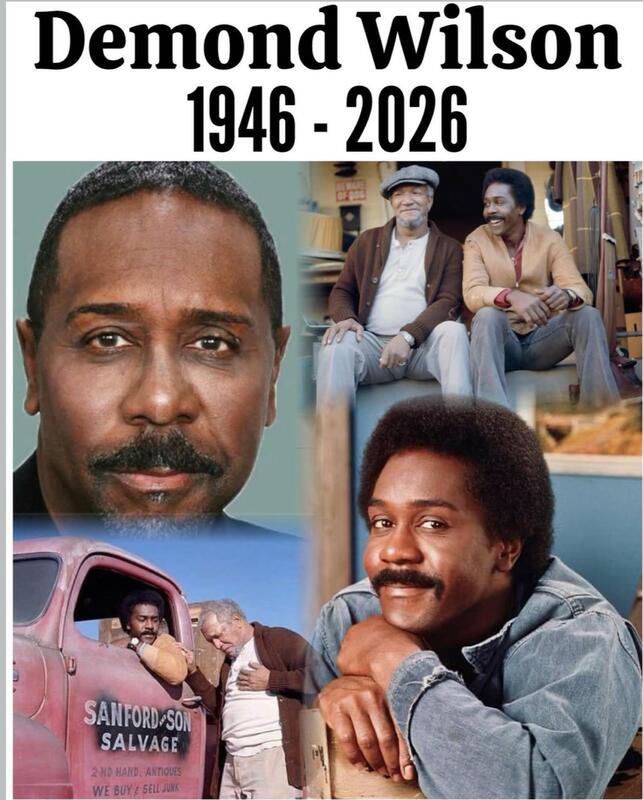
  • This one hurts. I have ALWAYS loved Demond Wilson. He was born in my grandma's birthplace and I have always wondered if we might somehow be related. Nevertheless, he left Hollyweird to do ministry, so I believe he was saved. He is resting at the feet of his Savior today.
    This one hurts. I have ALWAYS loved Demond Wilson. He was born in my grandma's birthplace and I have always wondered if we might somehow be related. Nevertheless, he left Hollyweird to do ministry, so I believe he was saved. He is resting at the feet of his Savior today.
    Sad
    Prayer
    2
    1 Comments 0 Shares 1323 Views
  • Good morning everyone - lovely people. I wish you all the best too. To
    continue on my blog about the “fear of G-d” I have gleaned from an old book by a Rabbi Nilton Bonder titled
    “The Kabbalah of Envy - Transforming Hatred, Anger, and Other Negative Emotions.” Please do not be thrown off by the word Kabbalah. It simply means to dig into hidden meanings and research them out - not the magical red string thinking heard about in the media which is a perversion of the true Kabbalah type commentary on Biblical truths. It’s not some evil abstraction out to get you. It’s an old Hebrew word referring to wisdom that comes with spiritual maturity. This book has been a tough read not translated from the Hebrew comfortably for English speakers. I have gleaned some wonderful Faith ideas from it. So here goes - more on the subject of”Fear of G-d.” And it’s long. Get what you like and discard the rest.

    The term “fear of G-d” is not about terror. It’s about having a great intimacy with G-d.
    When we are influenced by abstract, subtle principles we can detach ourselves from what we observe in the obvious that doesn’t add up to what we know about Faith and G-d.
    What abstract and subtle principles? The causes and effects captured in the term karma, the universal principle of cause and effect, where every action, thought, and word (the cause) creates consequences (the effect) that eventually return to the doer, shaping their destiny. As Scripture states: the principle of sowing and reaping, where actions (causes) directly produce consequences (effects), such as in Galatians 6:7 (“whatever a man sows, that he will also reap”).

    To arrive at the “fear of G-d” we need to leave the cult of the god of rewards, the god of necessary, god of power, god of personal veneration (which can be a romanticized element of belief.)
    All of that adds up to a symbolic perception of G-d - the idea that things represent other things.
    What was the danger of an “idol”? Attributing to “a thing” the power to bless or curse and so veneration of the “thing” was necessary. The nations around Israel in its beginning made things they could see and name that represented what was believed to be their “god.” So Israel was warned - “Do not adopt the practices of the peoples around you.”

    We must cast off the fear of others, fear of self, fear of pain and allow ourselves to fear only that which is possible to fear. Fears are not paralyzing emotions, but spur us on to action - mobilizing.

    That mobilizing - we do what we know to do that is right. As Scripture tells us how to Love G-d - that first commandment. “If you love Me you will obey Me”
    That is the beginning of developing a great intimacy with G-d and is the crown of wisdom.
    To obey is becomes another conundrum because our emotions direct us to do what benefits us the most. So we rationalize what we know, “to do” with what we feel should be done for immediate gain.

    This shows us where humility is the foundation to grasping the “fear of G-d that becomes wisdom - it’s ankle.
    Humility is a deep internalization of our capacity to transform spirituality into a skill that becomes a way of life.
    We can live the “Fear of G-d” without a sense of wisdom or any proud awareness of being wise.

    To become wise is to be able to erase the fool within us. To become humble is to erase the traces of any wickedness in ourselves. Eliminate jealousy which opens the dimension of envy, aptly described as one of the 7 “deadly sins.” Proverbs 22:4 “The effect of humility is fear of the Lord, wealth, honor, and life.”

    To me the “fear of G-d” is a comforting emotion. It’s comforting to know I don’t have to be in control of the world. I don’t have to fear the actions of others because SomeOne bigger than me knows the end of everything from its beginning. And that SomeOne all knowing, tells me to rest in what that end will be even when I don’t understand all the steps leading up to it that might cause me to suffer. Accepting discomfort is necessary to kill “the old man” within us and brings about the realization of a real joy in serving our Beloved Lord. That’s possible to experience even in the face of seeing so much ungodliness in the world. What little bit I can do in the way of right action and prayer is going to have a positive effect I may not see. That just means SomeOne wiser than me sees it and tells me to keep on truck’en on that path of holiness that is a quiet rebellion to any evil inclination.
    Holiness - another word we have a hard time relating to because of the enemy out to shame us!
    Six characteristics of holiness often cited include humility, love, obedience, self-control (temperance), faithfulness, and purity of heart, reflecting a life SET APART for God,


    Good morning everyone - lovely people. I wish you all the best too. To continue on my blog about the “fear of G-d” I have gleaned from an old book by a Rabbi Nilton Bonder titled “The Kabbalah of Envy - Transforming Hatred, Anger, and Other Negative Emotions.” Please do not be thrown off by the word Kabbalah. It simply means to dig into hidden meanings and research them out - not the magical red string thinking heard about in the media which is a perversion of the true Kabbalah type commentary on Biblical truths. It’s not some evil abstraction out to get you. It’s an old Hebrew word referring to wisdom that comes with spiritual maturity. This book has been a tough read not translated from the Hebrew comfortably for English speakers. I have gleaned some wonderful Faith ideas from it. So here goes - more on the subject of”Fear of G-d.” And it’s long. Get what you like and discard the rest. The term “fear of G-d” is not about terror. It’s about having a great intimacy with G-d. When we are influenced by abstract, subtle principles we can detach ourselves from what we observe in the obvious that doesn’t add up to what we know about Faith and G-d. What abstract and subtle principles? The causes and effects captured in the term karma, the universal principle of cause and effect, where every action, thought, and word (the cause) creates consequences (the effect) that eventually return to the doer, shaping their destiny. As Scripture states: the principle of sowing and reaping, where actions (causes) directly produce consequences (effects), such as in Galatians 6:7 (“whatever a man sows, that he will also reap”). To arrive at the “fear of G-d” we need to leave the cult of the god of rewards, the god of necessary, god of power, god of personal veneration (which can be a romanticized element of belief.) All of that adds up to a symbolic perception of G-d - the idea that things represent other things. What was the danger of an “idol”? Attributing to “a thing” the power to bless or curse and so veneration of the “thing” was necessary. The nations around Israel in its beginning made things they could see and name that represented what was believed to be their “god.” So Israel was warned - “Do not adopt the practices of the peoples around you.” We must cast off the fear of others, fear of self, fear of pain and allow ourselves to fear only that which is possible to fear. Fears are not paralyzing emotions, but spur us on to action - mobilizing. That mobilizing - we do what we know to do that is right. As Scripture tells us how to Love G-d - that first commandment. “If you love Me you will obey Me” That is the beginning of developing a great intimacy with G-d and is the crown of wisdom. To obey is becomes another conundrum because our emotions direct us to do what benefits us the most. So we rationalize what we know, “to do” with what we feel should be done for immediate gain. This shows us where humility is the foundation to grasping the “fear of G-d that becomes wisdom - it’s ankle. Humility is a deep internalization of our capacity to transform spirituality into a skill that becomes a way of life. We can live the “Fear of G-d” without a sense of wisdom or any proud awareness of being wise. To become wise is to be able to erase the fool within us. To become humble is to erase the traces of any wickedness in ourselves. Eliminate jealousy which opens the dimension of envy, aptly described as one of the 7 “deadly sins.” Proverbs 22:4 “The effect of humility is fear of the Lord, wealth, honor, and life.” To me the “fear of G-d” is a comforting emotion. It’s comforting to know I don’t have to be in control of the world. I don’t have to fear the actions of others because SomeOne bigger than me knows the end of everything from its beginning. And that SomeOne all knowing, tells me to rest in what that end will be even when I don’t understand all the steps leading up to it that might cause me to suffer. Accepting discomfort is necessary to kill “the old man” within us and brings about the realization of a real joy in serving our Beloved Lord. That’s possible to experience even in the face of seeing so much ungodliness in the world. What little bit I can do in the way of right action and prayer is going to have a positive effect I may not see. That just means SomeOne wiser than me sees it and tells me to keep on truck’en on that path of holiness that is a quiet rebellion to any evil inclination. Holiness - another word we have a hard time relating to because of the enemy out to shame us! Six characteristics of holiness often cited include humility, love, obedience, self-control (temperance), faithfulness, and purity of heart, reflecting a life SET APART for God,
    Love
    1
    0 Comments 1 Shares 5768 Views
  • Beloved brethren, be thankful that our salvation depends not upon our own righteousness. For as Paul wrote to Titus, “He saved us, not on the basis of our deeds done in righteousness” (Tit. 3:5). Likewise, Isaiah, tells us that “all our righteous deeds are like a filthy garment” (Isa. 64.6). Isaiah’s description, though appearing mild in the English translation here, is rather appalling.

    Yet so is our own righteousness in God’s eyes.

    Thank God for the Lord Jesus Christ in whom we are made righteous before God. That righteousness that is accounted because of faith, as it was for Abraham when he believed God (Rom. 4:3). Our righteousness is not a righteousness of our own, but it is that which comes from God on the basis of faith (Phil. 3:9)

    More so, Christ is our righteousness. It is His name - “The Lord our righteousness” (Jer. 23:6). Let us therefore be grateful that it does not depend on us, but on Him, who is righteous. Let us remember that the Lord our righteousness saved us, not because of our own righteousness, but despite our own unrighteousness and iniquity, on the basis of His mercy.

    Always remember how blessed we are, as David sang, “whose transgression is forgiven, whose sin is covered,” and “to whom the Lord does not impute iniquity!”

    ——————
    Spurgeon’s Morning and Evening Devotions

    Morning, January 31

    "The Lord our Righteousness." Jeremiah 23:6

    It will always give a Christian the greatest calm, quiet, ease, and peace, to think of the perfect righteousness of Christ. How often are the saints of God downcast and sad! I do not think they ought to be. I do not think they would if they could always see their perfection in Christ. There are some who are always talking about corruption, and the depravity of the heart, and the innate evil of the soul. This is quite true, but why not go a little further, and remember that we are "perfect in Christ Jesus." It is no wonder that those who are dwelling upon their own corruption should wear such downcast looks; but surely if we call to mind that "Christ is made unto us righteousness," we shall be of good cheer. What though distresses afflict me, though Satan assault me, though there may be many things to be experienced before I get to heaven, those are done for me in the covenant of divine grace; there is nothing wanting in my Lord, Christ hath done it all. On the cross He said, "It is finished!" and if it be finished, then am I complete in Him, and can rejoice with joy unspeakable and full of glory, "Not having mine own righteousness, which is of the law, but that which is through the faith of Christ, the righteousness which is of God by faith." You will not find on this side heaven a holier people than those who receive into their hearts the doctrine of Christ's righteousness. When the believer says, "I live on Christ alone; I rest on Him solely for salvation; and I believe that, however unworthy, I am still saved in Jesus;" then there rises up as a motive of gratitude this thought- "Shall I not live to Christ? Shall I not love Him and serve Him, seeing that I am saved by His merits?" "The love of Christ constraineth us," "that they which live should not henceforth live unto themselves but unto Him which died for them." If saved by imputed righteousness, we shall greatly value imparted righteousness.
    Beloved brethren, be thankful that our salvation depends not upon our own righteousness. For as Paul wrote to Titus, “He saved us, not on the basis of our deeds done in righteousness” (Tit. 3:5). Likewise, Isaiah, tells us that “all our righteous deeds are like a filthy garment” (Isa. 64.6). Isaiah’s description, though appearing mild in the English translation here, is rather appalling. Yet so is our own righteousness in God’s eyes. Thank God for the Lord Jesus Christ in whom we are made righteous before God. That righteousness that is accounted because of faith, as it was for Abraham when he believed God (Rom. 4:3). Our righteousness is not a righteousness of our own, but it is that which comes from God on the basis of faith (Phil. 3:9) More so, Christ is our righteousness. It is His name - “The Lord our righteousness” (Jer. 23:6). Let us therefore be grateful that it does not depend on us, but on Him, who is righteous. Let us remember that the Lord our righteousness saved us, not because of our own righteousness, but despite our own unrighteousness and iniquity, on the basis of His mercy. Always remember how blessed we are, as David sang, “whose transgression is forgiven, whose sin is covered,” and “to whom the Lord does not impute iniquity!” —————— Spurgeon’s Morning and Evening Devotions Morning, January 31 "The Lord our Righteousness." Jeremiah 23:6 It will always give a Christian the greatest calm, quiet, ease, and peace, to think of the perfect righteousness of Christ. How often are the saints of God downcast and sad! I do not think they ought to be. I do not think they would if they could always see their perfection in Christ. There are some who are always talking about corruption, and the depravity of the heart, and the innate evil of the soul. This is quite true, but why not go a little further, and remember that we are "perfect in Christ Jesus." It is no wonder that those who are dwelling upon their own corruption should wear such downcast looks; but surely if we call to mind that "Christ is made unto us righteousness," we shall be of good cheer. What though distresses afflict me, though Satan assault me, though there may be many things to be experienced before I get to heaven, those are done for me in the covenant of divine grace; there is nothing wanting in my Lord, Christ hath done it all. On the cross He said, "It is finished!" and if it be finished, then am I complete in Him, and can rejoice with joy unspeakable and full of glory, "Not having mine own righteousness, which is of the law, but that which is through the faith of Christ, the righteousness which is of God by faith." You will not find on this side heaven a holier people than those who receive into their hearts the doctrine of Christ's righteousness. When the believer says, "I live on Christ alone; I rest on Him solely for salvation; and I believe that, however unworthy, I am still saved in Jesus;" then there rises up as a motive of gratitude this thought- "Shall I not live to Christ? Shall I not love Him and serve Him, seeing that I am saved by His merits?" "The love of Christ constraineth us," "that they which live should not henceforth live unto themselves but unto Him which died for them." If saved by imputed righteousness, we shall greatly value imparted righteousness.
    Like
    Love
    2
    0 Comments 2 Shares 4588 Views
  • Matthew 3:16-17
    And after being baptized, Jesus came up immediately from the water; and behold, the heavens were opened, and he saw the Spirit of God descending like a dove and coming upon Him,
    and behold, there was a voice out of the heavens saying, “This is My beloved Son, in whom I am well-pleased.”
    #SaturdaySentiments
    Matthew 3:16-17 And after being baptized, Jesus came up immediately from the water; and behold, the heavens were opened, and he saw the Spirit of God descending like a dove and coming upon Him, and behold, there was a voice out of the heavens saying, “This is My beloved Son, in whom I am well-pleased.” #SaturdaySentiments
    0 Comments 0 Shares 1105 Views
  • It should be happening in every sanctuary city that has allowed the violence to take an innocent life...

    Remember Seattle's mayor talking about the 2020 Summer of Love? Well, during that mostly peaceful protest, 16-year-old Antonio Mays Jr. was fatally shot in the Capitol Hill Autonomous Zone (CHAZ), also known as the Capitol Hill Organized Protest (CHOP). The city of Seattle was found guilty and liable yesterday after a month-long trial at the King County Courthouse. The city faced a wrongful death lawsuit filed by the Mays family. The city was found negligent in its handling (or lack of handling) of the zone, which protesters occupied for three weeks amid nationwide unrest following George Floyd's death.

    Minneapolis, if you don't change your ways, you're next on the list. Finally—accountability.


    https://thepostmillennial.com/breaking-jury-finds-seattle-negligent-in-2020-chaz-killing-of-16-year-old-antonio-mays-jr-awards-family-30-million
    It should be happening in every sanctuary city that has allowed the violence to take an innocent life... Remember Seattle's mayor talking about the 2020 Summer of Love? Well, during that mostly peaceful protest, 16-year-old Antonio Mays Jr. was fatally shot in the Capitol Hill Autonomous Zone (CHAZ), also known as the Capitol Hill Organized Protest (CHOP). The city of Seattle was found guilty and liable yesterday after a month-long trial at the King County Courthouse. The city faced a wrongful death lawsuit filed by the Mays family. The city was found negligent in its handling (or lack of handling) of the zone, which protesters occupied for three weeks amid nationwide unrest following George Floyd's death. Minneapolis, if you don't change your ways, you're next on the list. Finally—accountability. https://thepostmillennial.com/breaking-jury-finds-seattle-negligent-in-2020-chaz-killing-of-16-year-old-antonio-mays-jr-awards-family-30-million
    THEPOSTMILLENNIAL.COM
    BREAKING: Jury finds Seattle NEGLIGENT in 2020 CHAZ killing of 16-year-old Antonio Mays Jr, awards family $30 MILLION
    “What bothers me most about the City of Seattle is the failure to accept responsibility,” said attorney Evan Oshan, representing the Mays Estate.
    Like
    1
    0 Comments 1 Shares 2558 Views
  • We live in the country and I absolutely love it, even when neighbors go duck hunting at sunrise and we hear the gun shots, then hear the shotgun pellets rain down on the top of the house! LOL!
    We live in the country and I absolutely love it, even when neighbors go duck hunting at sunrise and we hear the gun shots, then hear the shotgun pellets rain down on the top of the house! LOL!
    Like
    Grimacing
    2
    1 Comments 0 Shares 643 Views
  • Better to love God and die unknown than to love the world and be a hero; better to be content with poverty than to die a slave to wealth; better to have taken some risks and lost than to have done nothing and succeeded at it.
    ~Erwin Lutzer
    #FridayFact
    Better to love God and die unknown than to love the world and be a hero; better to be content with poverty than to die a slave to wealth; better to have taken some risks and lost than to have done nothing and succeeded at it. ~Erwin Lutzer #FridayFact
    0 Comments 0 Shares 763 Views
  • Have a blessed restful and peaceful sleep. Or if you see this in the morning- have a great day.
    An ancient saying from a 13th century Spanish Commentator - Rabbenu Bahya: “The ankle- is the foundation of humility.” (Least thought of body part?) it represents humility as the fear of
    G-d. Ankle - (how we walk in the world?). Proverbs 1:7 “The fear of
    G-d is the beginning of wisdom.” The commentator stated - “humility is superior to wisdom, since the head or crown of wisdom is no more than the ankle of humility.”
    How do we understand the concept of the “fear of G-d” beyond religious language? G-d is someone who hears and sees everything is a product of religious pedagogy we learned in childhood, we hopefully update with adult observations of reality and a more mature relationship with our Beloved Lord. The best translation of the idea of “fear of G-d” and its relation to humility is: “Those who fear G-d relate to life through values and notions that transcend the logic of immediate gain.” “Transcend the logic of immediate gain!” What a powerful insight!
    Have a blessed restful and peaceful sleep. Or if you see this in the morning- have a great day. An ancient saying from a 13th century Spanish Commentator - Rabbenu Bahya: “The ankle- is the foundation of humility.” (Least thought of body part?) it represents humility as the fear of G-d. Ankle - (how we walk in the world?). Proverbs 1:7 “The fear of G-d is the beginning of wisdom.” The commentator stated - “humility is superior to wisdom, since the head or crown of wisdom is no more than the ankle of humility.” How do we understand the concept of the “fear of G-d” beyond religious language? G-d is someone who hears and sees everything is a product of religious pedagogy we learned in childhood, we hopefully update with adult observations of reality and a more mature relationship with our Beloved Lord. The best translation of the idea of “fear of G-d” and its relation to humility is: “Those who fear G-d relate to life through values and notions that transcend the logic of immediate gain.” “Transcend the logic of immediate gain!” What a powerful insight!
    Like
    2
    0 Comments 0 Shares 1614 Views
More Results